Saudi Arabia in 7 Days: A First-Timer's Itinerary
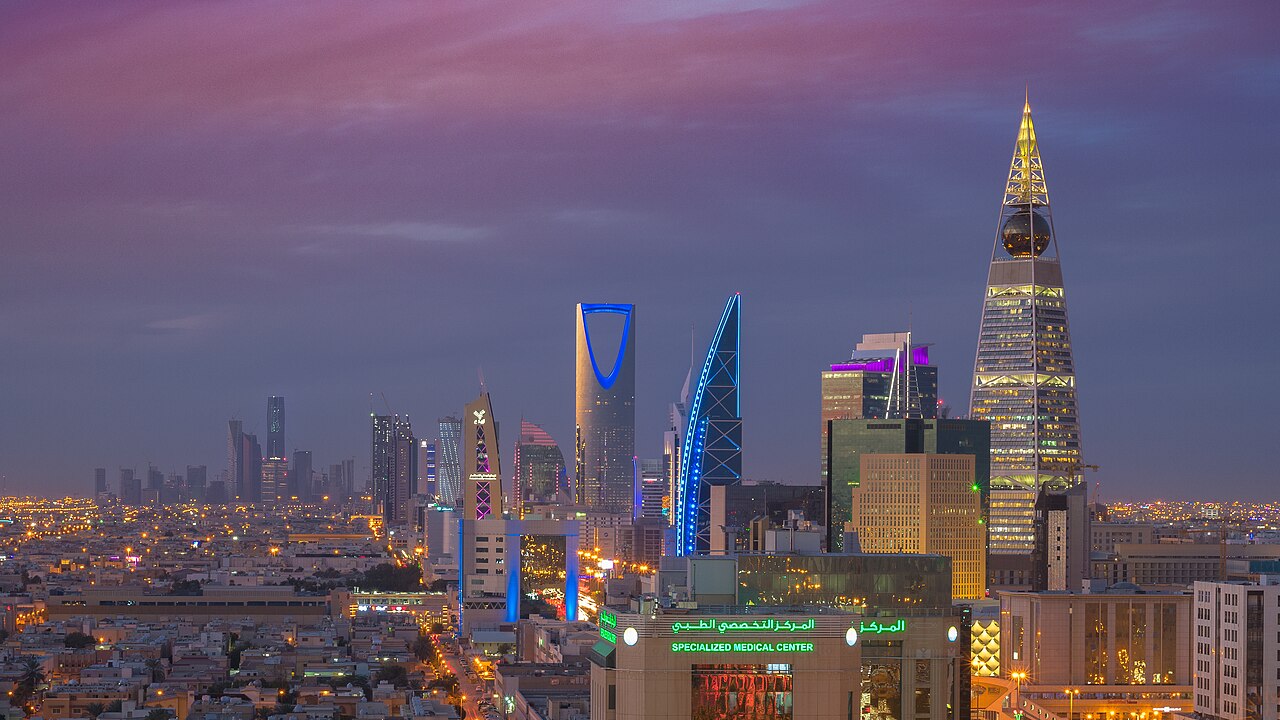
One week, three bases, no rushing: Riyadh's old and new capitals, the Nabataean tombs of Hegra in AlUla, and Jeddah's Red Sea old town - with the flights, trains and visa details that make the route work.
- The route runs Riyadh (2 nights) - AlUla (2) - Jeddah (3), flying between each base
- November to February is the most comfortable window for the whole route
- Hegra in AlUla and Al-Balad in Jeddah are both UNESCO World Heritage sites
- The tourist eVisa allows up to 90 days per stay, so a week sits well inside one trip
How this route is shaped
Saudi Arabia is big - Riyadh to AlUla alone is over 1,000 kilometres - so a good week is built on domestic flights, not highways. This itinerary runs in an arc: two nights in Riyadh, two in AlUla, three in Jeddah, flying between each and finishing by the Red Sea, close to an international airport for the way home. It works best between November and February, when the whole country is comfortably warm rather than split between pleasant cities and punishing heat. The tourist eVisa gives you up to 90 days in the Kingdom, so a week like this sits well inside a single stay - and because the visa is multiple-entry, you can also split the route across two shorter trips within the year.
Days 1-2: Riyadh, the old capital and the new one
Start where the Kingdom started: Diriyah, on Riyadh's north-western edge, whose mud-brick At-Turaif district is a UNESCO World Heritage site and the original home of the Saudi royal family. Give it a morning, then balance it with the National Museum for the story of the peninsula in one building, and the Masmak Fortress in the old city. On the second day, go modern: the Kingdom Centre's Sky Bridge at dusk for the whole city laid out below, and an evening among the boulevards and restaurants of the new districts. Riyadh rewards one slow day and one full one - do not try to compress it into a stopover.
Day 3: fly north to AlUla and Hegra
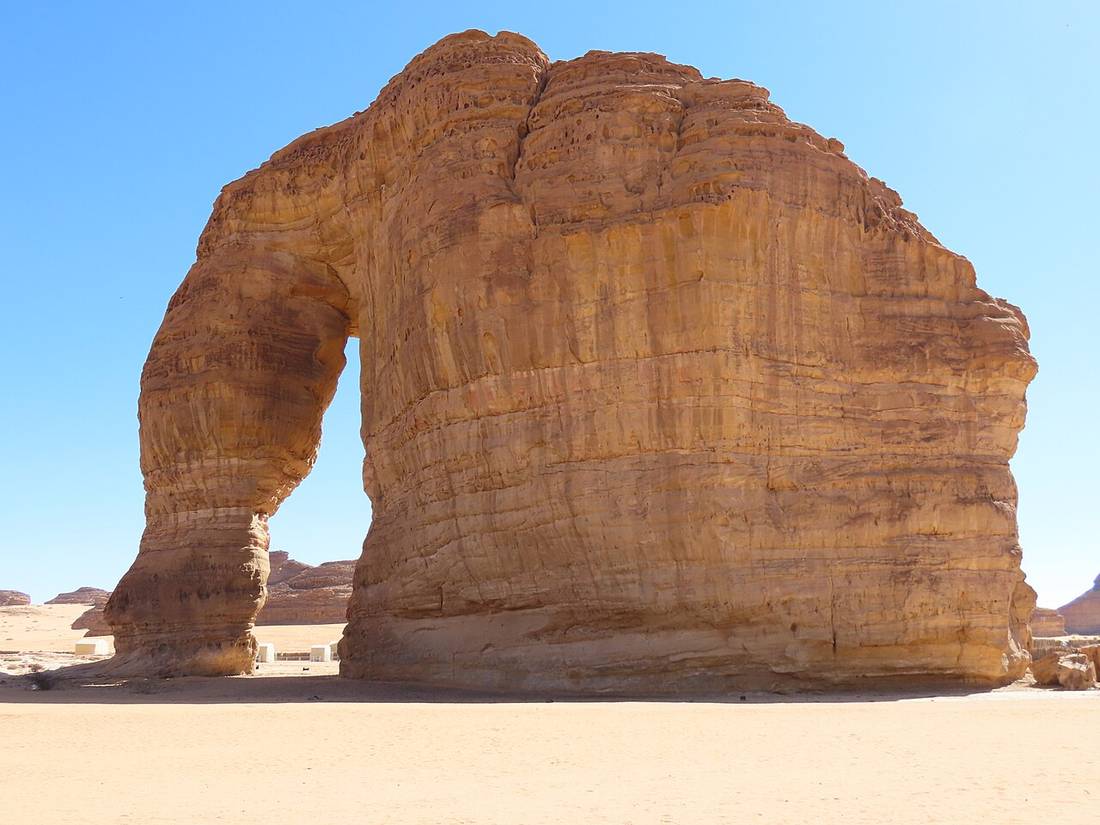
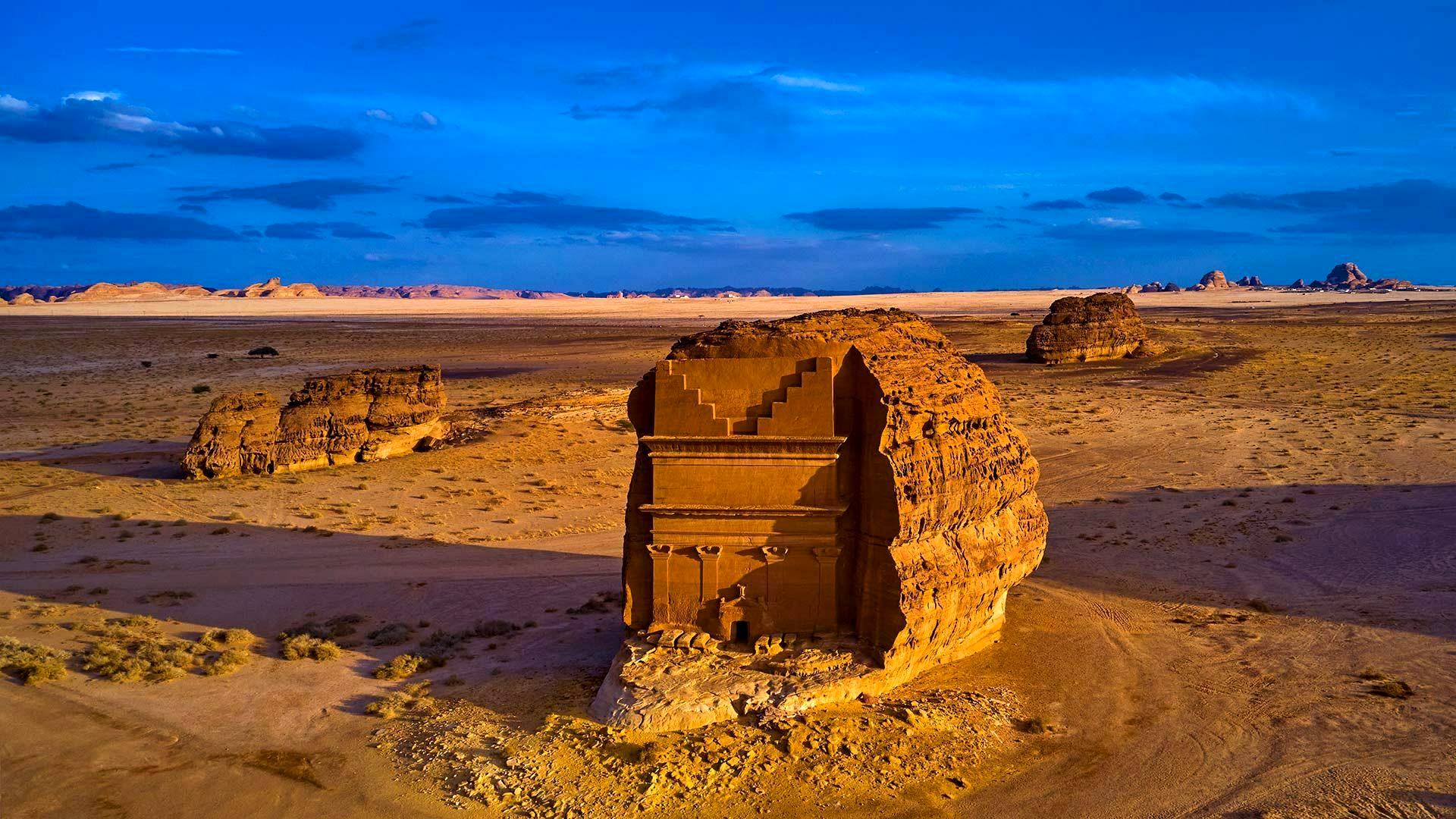
A morning flight from Riyadh lands you in a different world: AlUla's palm oasis set among sandstone mountains. The headline sight is Hegra - Mada'in Salih - Saudi Arabia's first UNESCO site, where Nabataean tombs were carved into the rock two thousand years ago by the same civilisation that built Petra. Book the Hegra tour for the cooler part of the day, wander the lanes of AlUla Old Town as the light softens, and end at Elephant Rock, a natural sandstone arch that glows at sunset. Distances here are short, so the day feels rich rather than rushed.
Day 4: AlUla slowly, then on to Jeddah
Keep the morning unhurried: the mirrored Maraya building appearing and disappearing against the cliffs, coffee under the palms, a second look at the old town. Then fly on to Jeddah - direct flights run in season, and at other times the connection is through Riyadh. Land by evening and take your first walk along the Corniche, where the whole city seems to be out enjoying the sea air. Jeddah is the Kingdom's relaxed face, and it is the right note to end the week on.
Days 5-6: Jeddah and the Red Sea
Devote a day to Al-Balad, Jeddah's UNESCO-listed old town: coral-stone merchant houses with carved wooden roshan balconies, souqs that have traded since the port served pilgrims centuries ago, and coffee houses tucked into restored courtyards. The second day belongs to the Red Sea - a boat trip or a snorkel over reefs that are among the least dived in the region, then the Corniche again at golden hour to see King Fahd's Fountain, one of the tallest of its kind in the world. If you are travelling in the hotter months and have a spare day, the mountain city of Taif, a few hours inland, is the traditional summer escape: cooler air, roses and roadside fruit stalls.
Day 7: Makkah for pilgrims, a soft landing for everyone else
For Muslim travellers, the natural finale is Umrah: the Haramain high-speed train runs from Jeddah to Makkah in under an hour, and Umrah can be performed on a tourist visa outside the Hajj period - arrange the Nusuk permit before you travel, and read our Makkah guide before you go. Makkah itself is open to Muslims only, so other travellers should give the day to Madinah instead, or simply slow down in Jeddah. Non-Muslim visitors may enter Madinah, though the sanctuary area immediately around the Prophet's Mosque is reserved for Muslim worshippers; the city's museums, markets and Mount Uhud viewpoint make a full and moving day regardless.
Fitting the week to your visa
The whole route fits inside one stay on a tourist visa, with days to spare. Two practical notes. First, internal flights and the Haramain train are bookable by visitors with a passport - no special paperwork is needed beyond your visa. Second, if your week goes well and you want more, a multiple-entry visa means the Red Sea coast, Abha's mountains or the Eastern Province can be a second trip later in the same year, without applying again. One week shows you Saudi Arabia's range; the visa quietly leaves the door open for the rest.
Common questions
Can I do this route in five days instead of seven?
Yes - drop the second Riyadh day and one Jeddah day. Keep the AlUla overnight: Hegra deserves an unhurried morning, and a day-trip version of AlUla is the one cut travellers regret.
Do I need to hire a car for this itinerary?
No. Domestic flights cover the long legs, the Haramain train covers Jeddah-Makkah, and ride-hailing apps and taxis handle the cities. A car only becomes useful if you add remote desert stops.
Can non-Muslims follow the whole route?
Almost all of it. The exception is Makkah, which is open to Muslims only - non-Muslim travellers swap day 7 for Madinah's outer sights or a slower Jeddah day, as the itinerary describes.
Which month is best for this trip?
November to February. Riyadh and Jeddah are pleasantly warm, AlUla is at its best, and the Red Sea is swimmable. Summer compresses sightseeing into early mornings and evenings.

Ready when you are
Check your eligibility in a minute, then apply online - a specialist reviews your documents before anything is submitted, and your total is confirmed in writing before you pay.